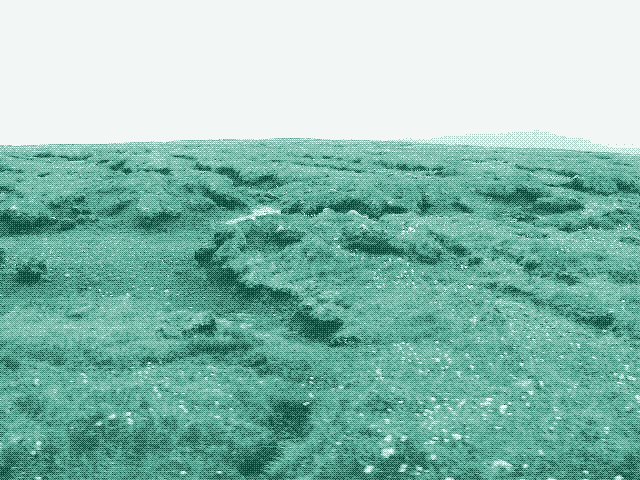
An intermediate step in the formation of coal, peat forms when plant material, usually in marshy areas, does not decay fully because of a lack of oxygen. This semicarbonised fuel can be found near the earth’s surface in layers of up to 5 metres thick.
The energy density of dried and pressed peat - known as “turf” - is about 15 to 17 MJ per kg, which is similar to the energy density of dried wood (15 to 18 MJ/kg) but lower than that of coal (24 MJ/kg) or charcoal (up to 29 MJ/kg). However, it is a bulkier fuel than wood: 1m3 of coal provides 6 times as much heat as 1m3 of turf, for instance.
While peat is classified by the IPCC as a renewable fuel, this is debatable. Peat is renewed at a rate of about 1 mm per year at most, and so it takes at least 3000 years for a peat layer of 3 m to return to its original size - and only if the land is not disturbed in that time. Wood renews itself much faster.
In addition, the mining of peat has a very large impact on the landscape, and burning it produces slightly more CO2-emissions than coal for the same energy content. The only advantage it has over coal is that it produces less smoke and has a lower sulfur content, and thus causes less air pollution than coal.
Read more: Medieval smokestacks: fossil fuels in pre-industrial times.